Demand for compassionate professionals who can support older adults and people with disabilities is accelerating across the country. From part-time companionship roles to medically oriented positions, the landscape of caregiver jobs offers pathways for every experience level. Whether you’re searching for caregiver jobs near me, mapping a path into healthcare, or seeking flexible shifts that fit your life, today’s market is rich with opportunity—and need.
Families, facilities, and agencies post roles daily, from home health aide jobs and senior caregiver jobs to private caregiver jobs that offer one-on-one support in the home. Employers emphasize reliability, empathy, and communication as much as certifications, and many are caregiver hiring now with streamlined onboarding. Explore how to stand out, what qualifications help, and where the most promising pathways are emerging.
Understanding the Caregiving Landscape: Roles, Requirements, and Where Demand Is Rising
Caregiving spans a spectrum of responsibilities, settings, and credentials. At one end are non-medical roles focused on companionship, safety, and daily living support—bathing, dressing, meal prep, medication reminders, and light housekeeping. These roles often fall under home care jobs near me and are offered through both families and agencies. At the other end are credentialed clinical support roles that assist nurses and therapists with mobility, vital signs, catheter care, and documentation. These typically include CNA jobs near me and some advanced home health aide jobs.
Common job titles include Companion Caregiver, Personal Care Aide (PCA), Home Health Aide (HHA), Certified Nursing Assistant (CNA), and Memory Care Aide. Worksites vary: private homes, assisted living communities, skilled nursing facilities, hospice organizations, and adult day programs. Many shifts are evenings, nights, and weekends, though daytime availability is also abundant. Live-in options exist for those seeking fewer commutes and longer stretches of work, especially in private caregiver jobs that emphasize continuity and trust with one client.
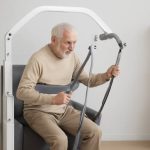
Requirements depend on state regulations and employer policies. Entry-level, non-medical roles may only ask for a background check, negative TB test, and CPR/First Aid. Some states require HHA or PCA training for assistance with activities of daily living (ADLs). CNAs must complete state-approved training and pass competency exams. Specialized settings—such as dementia care—value experience with redirection, de-escalation, and safety planning. Fluency in infection control, fall prevention, safe transfers (gait belts, Hoyer lifts), and documentation is a universal plus across caregiver agencies hiring today.
Several trends shape hiring. First, population aging ensures sustained need for senior caregiver jobs, especially for clients with chronic conditions like Alzheimer’s and Parkinson’s. Second, many clients prefer to age at home, so home-based roles are expanding faster than facility jobs. Finally, flexible scheduling and rapid onboarding are increasingly standard, with agencies and families posting “caregiver hiring now” notices to fill urgent shifts. This means applicants who can start quickly, communicate clearly, and demonstrate reliability can secure interviews and offers fast.
How to Land the Right Role Fast: Resume Strategy, Certifications, Interviews, and Job Search Tactics
Start with a skills-forward resume tailored to caregiving outcomes. If you’re new, highlight transferable strengths—customer service, patience under pressure, time management, and communication. Add any relevant training: CPR/First Aid, HHA coursework, CNA license, dementia care seminars, safe lifting/transfer workshops, and HIPAA basics. For experience, quantify impact: “Supported 6 residents per shift with ADLs,” “Reduced fall risks via safety checks,” “Maintained 98% on-time medication reminders,” or “Achieved perfect attendance over 9 months.” This detail shows readiness for caregiver job openings in both home and facility settings.
Interview preparation should focus on real scenarios. Expect questions like, “How do you safely transfer a client with limited mobility?” or “How would you respond to a client with dementia who refuses care?” Structure your answers with a brief situation, action, and result: describe the challenge, your technique (communication, redirection, safety measures), and the positive outcome. Demonstrate familiarity with ADLs and IADLs, infection control, fall prevention, and documentation, plus sensitivity to cultural preferences and privacy.
Certifications can accelerate your candidacy. An HHA certificate often opens doors to more hours and higher pay, while a CNA license unlocks roles across hospitals, skilled nursing, and assisted living. If you’re actively comparing “home care jobs near me” versus facility roles, consider your preferences: one-on-one relationships and flexible scheduling at home, or team support, structured protocols, and immediate supervision in facilities. Either route benefits from strong attendance, clear communication with families and supervisors, and accurate shift notes.
Use focused search tactics. Combine local queries like “CNA jobs near me” and “caregiver agencies hiring” with targeted platforms that list verified employers and real-time needs. Browse and apply to caregiver job openings often; set alerts and respond quickly to interviews to show initiative. Check community boards, workforce centers, and training programs that partner with agencies. Prioritize employers that offer paid training, mentorship, and consistent scheduling—these indicators correlate with better retention and career growth.
During offer review, confirm hourly rates, overtime policies, mileage reimbursement, live-in rules, client acuity, and training support. A clear understanding of expectations—from lifting requirements to EVV clock-ins—ensures success once you start. For rapid placement where employers are caregiver hiring now, keep your documents ready: photo ID, certifications, immunization records, references, and background check authorization. This preparation speeds up onboarding and signals professionalism.
Real-World Pathways: Case Studies That Show How Careers Grow in Caregiving
Career changer to CNA: After several years in retail, Jordan sought meaningful work and flexible hours. With strong customer-service skills and weekend availability, Jordan quickly landed entry-level shifts under caregiver jobs. An agency offered paid HHA training, leading to additional hours with clients needing bathing, dressing, and mobility assistance. Within six months, Jordan enrolled in a CNA program, passed the state exam, and transitioned into a skilled nursing facility. That CNA role opened doors to higher pay, tuition assistance, and supervisory support—proof that entry-level experience can fast-track advancement in home health aide jobs and beyond.
Parent balancing part-time care: Alicia, a parent with school-day availability, searched for home care jobs near me that could align with pickup times. She prioritized non-medical roles focused on companionship, light housekeeping, and meal prep for seniors who lived nearby. By targeting private caregiver jobs with consistent weekday hours, Alicia built stable income while handling family responsibilities. Over time, she added short evening respite shifts and took a dementia care workshop. That training helped her secure a role supporting a client with memory impairment, demonstrating how targeted learning can unlock specialized senior caregiver jobs without requiring a license.
HHA to memory care lead: DeShawn began as an HHA with a home care agency, excelling in safe transfers, gait belt use, and medication reminders. Clients appreciated his calm presence and communication with families. His agency—one of many caregiver agencies hiring—promoted him to a senior caregiver role covering new-staff mentorship and care plan updates. When a memory care community posted internal openings, he applied and leveraged his hands-on dementia experience. Now he leads evening shifts, supports staff through challenging behaviors, and coordinates with nursing for care adjustments. The progression showcases how field excellence and mentoring can lead to leadership in facility settings.
College student building a healthcare resume: Priya, a pre-nursing student, focused applications on positions aligned with clinical goals—vital signs, charting basics, and exposure to multi-disciplinary teams. She first considered “CNA jobs near me,” but class schedules made facility shifts difficult. Switching to home-based clients, she took overnight and weekend shifts for continuity and higher hourly pay. That flexibility allowed her to fund tuition while building a portfolio: accurate documentation, wound-care support under RN direction, and family education on safety. By graduation, her experience across caregiver jobs near me differentiated her from peers with only classroom learning, underscoring how tailored job choices can accelerate healthcare careers.
These examples reveal a common thread: targeted search, ongoing learning, and consistent reliability are the fastest way to transform entry-level caregiver jobs into stable, well-compensated roles. Whether focusing on home health aide jobs, facility-based CNA roles, or long-term private caregiver jobs, the mix of compassion, skill-building, and clear communication consistently wins interviews—and keeps clients safe and supported.