The hidden corners of the internet have long been associated with illicit trade, but a specific niche has developed a complex ecosystem of its own: the market for financial data and credit card credentials. Many newcomers, drawn by curiosity or desperation, quickly find themselves lost in a maze of forums, Telegram channels, and onion sites. The landscape is treacherous, filled with exit scams, honeypots, and outright thieves. Understanding the mechanics of how these markets operate is the first step toward navigating them, though the risks remain substantial.
The Architecture of the Carding Ecosystem
The modern trade in stolen financial credentials is not a chaotic free-for-all. It is a structured, tiered marketplace with distinct roles and specializations. At the bottom lie the dumps and fullz, which represent different levels of data completeness. Dumps refer to the raw data on a card’s magnetic stripe, while fullz include the cardholder’s full identity details: name, address, social security number, mother’s maiden name. Higher up the chain are verified PayPal accounts, bank logins, and credit card profiles with high balances and clean histories.
Entry-level cc shop sites often operate as simple storefronts, displaying inventory with prices, card types (Visa, Mastercard, Amex), and geographical origin. More sophisticated vendors offer APIs for automated checking, bulk discounts, and even refund policies. A key differentiator between a professional operation and a fly-by-night scam is the level of technical infrastructure. Reputable stores invest in robust hosting, encrypted chat support, and multi-signature escrow for large transactions.
The verification process is where the wheat separates from the chaff. Legitimate actors understand that trust is their most valuable currency. They will often provide a small sample card for testing, participate in private verification panels on established forums, and maintain a consistent reputation score. However, even these measures can be gamed. False reviews are rampant, and some vendors pay for positive feedback to mask poor quality. The true test lies in the "valid rate," the percentage of cards that are still active and have sufficient funds when tested. A vendor boasting a 90% valid rate is exceptionally rare and likely exaggerating.
Geographical specialization is another critical aspect. Cards from Western Europe and North America command higher prices due to their higher spending limits and less stringent fraud detection systems. Conversely, cards from developing nations are cheaper but often come with limitations. Seasoned buyers track regional trends, knowing that a batch of cards from a specific bank in a specific country might have been obtained through a recent data breach, making them both more valuable and riskier.
Verification, Risk, and the Hunt for Quality Sources
The single greatest challenge for any participant in this gray market is distinguishing a genuine vendor from a fraudster. The internet is littered with "bible" documents claiming to list the best sites to buy ccs, but these lists are often outdated, deliberately poisoned with scam links, or compiled by vendors themselves as an advertising mechanism. The most reliable method remains community vetting, though this requires access to private, invitation-only forums where seasoned carders share intelligence.
Risk is layered and constant. The buyer faces not only the financial loss from a scam purchase but also the legal peril of knowingly possessing stolen financial data. Law enforcement agencies actively monitor these marketplaces. Honeypots, where a government or security firm operates a fake shop to collect IP addresses and transaction logs, are a real and present danger. Furthermore, the very infrastructure used to access these sites—Tor, VPNs, Tails or Whonix operating systems—can itself be compromised if not configured correctly.
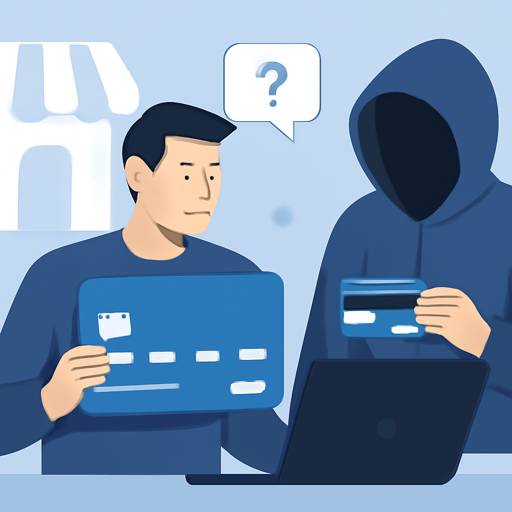
When evaluating potential sources for authentic cc shops, several criteria matter beyond price. The age of the vendor's operation is crucial. A store that has been active for over a year is more likely to be legitimate than one that appeared last week. The quality of customer support is another indicator. Does the vendor offer a live chat? Do they answer technical questions about card types and BIN ranges? A professional operation treats this as a business, not a one-time hustle.
Payment methods are also revealing. Most serious vendors accept cryptocurrencies like Bitcoin or Monero. Monero is preferred for its untraceable nature. If a vendor insists on a payment method that leaves a visible trail, or if they only accept direct bank transfers, alarm bells should ring. The logistics of purchasing itself require specialized knowledge. Users must "cash out" or monetize the data, which involves buying physically shipped goods (carding for items) or loading the value onto prepaid gift cards. The entire chain, from acquisition to monetization, is fraught with complexity.
For those determined to proceed, understanding the distinction between a "reseller" and a "producer" is vital. Producers have direct access to compromised databases, often through malware infections on point-of-sale systems or phishing campaigns. Resellers buy in bulk from producers and sell smaller packs to end-users. Dealing directly with a producer yields lower prices and fresher data, but requires a higher level of trust and often a larger initial investment. The recommended path for many is to start small, using a reliable source for low-amount test cards. A resource that has maintained a consistent track record for evaluating these suppliers can be found by exploring legit sites to buy cc listings that compile vendor histories and community feedback.
Case Study: The Rise and Fall of a Marketplace
The history of carding is a graveyard of once-popular marketplaces. Consider the hypothetical case of "AlphaCards," a store that emerged in 2021. AlphaCards differentiated itself by offering a curated inventory, focusing exclusively on high-limit business credit cards from US issuers. They implemented a strict vetting process for new customers, requiring a deposit in escrow and a mandatory trial purchase. Their customer service was exceptional, and they maintained a private Telegram channel with over 2,000 members.
AlphaCards appeared to be one of the best ccv buying websites in operation. They had no public exit scams for nearly 18 months. Their valid rate hovered around 65%, which is considered above industry average. Then, in late 2022, things changed. The admin, known as "Raider," began posting less frequently. Refunds for dead cards took longer. Members in the Telegram channel started reporting that cards were being declined at specific merchants.
What actually happened was a classic case of market pressure. Law enforcement had seized the domain of their primary card source, a compromised hotel booking system. Overnight, AlphaCards lost its supply chain. Instead of admitting this, Raider attempted to maintain the illusion of liquidity by purchasing cheaper, older dumps from a reseller. The quality plummeted. Within two months, the store was shuttered, and Raider vanished with the remaining escrow funds. The members who had invested heavily in "trust" were left with nothing but dead plastic and valid rage.
This case illustrates a universal truth in this ecosystem: nothing lasts. The best vendors are not the ones with the largest inventory or the prettiest website. They are the ones who maintain a resilient supply chain, have contingency plans for legal pressure, and are transparent with their customer base when problems arise. The absence of regulation means that every transaction is a gamble. The players who succeed are those who diversify their sources, never keep all their funds in one marketplace, and accept that loss is an operational cost, not an anomaly.